
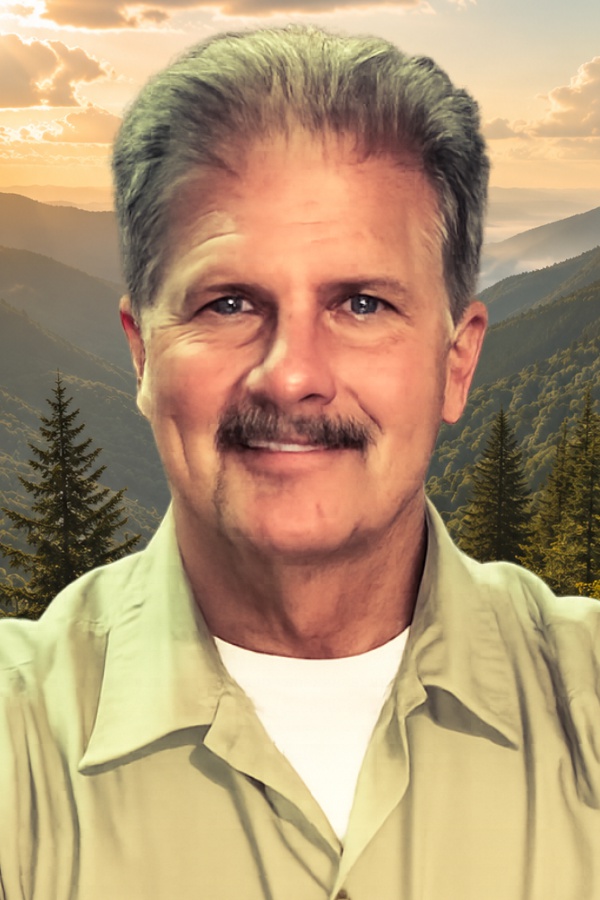
David Bakara
David Bakara is a longtime Bigfoot researcher, investigator, museum curator, speaker, and the founder of Expedition: Bigfoot! The Sasquatch Museum, one of the country’s most recognized destinations dedicated to the history, evidence, and enduring mystery of Sasquatch.
David’s fascination with Bigfoot began when he was just 12 years old after seeing the 1972 film The Legend of Boggy Creek. Unlike the exaggerated monsters often presented in popular entertainment, the film introduced him to the idea that ordinary people were reporting encounters with large, unidentified creatures in rural communities. The possibility that something so extraordinary could exist just beyond the edges of civilization captured his imagination and began a lifelong interest in the subject.
That childhood curiosity eventually developed into active field research. While living in Florida, David became involved in investigating reports associated with the Florida Skunk Ape and later participated in research through the Bigfoot Field Researchers Organization. His work has taken him into areas of reported activity, brought him into direct contact with witnesses, and allowed him to study the patterns, behaviors, and physical evidence commonly associated with Sasquatch encounters. David has also publicly discussed unusual experiences of his own, including possible sightings and vocalizations encountered during his years in the field.
In 2016, David and his wife, Malinda, transformed their years of research and collecting into Expedition: Bigfoot! The Sasquatch Museum in the North Georgia mountains near Blue Ridge. Their goal was to create more than a novelty roadside attraction. They envisioned a professionally presented, family-friendly museum where visitors could explore the subject through documented reports, historical material, physical evidence, multimedia exhibits, and the stories of those who believe they have encountered something unexplained.
The museum’s collection includes footprint and hand casts, witness sketches, photographs, audio recordings, maps of reported encounters, research equipment, and artifacts gathered from across the United States and around the world. One of its most distinctive displays is David and Malinda’s own Bigfoot Research and Tech Vehicle, which represents the practical, boots-on-the-ground side of their investigations. The museum also uses artwork, recreations, video, and interactive presentation techniques to make the material accessible to serious researchers, curious skeptics, families, and younger visitors alike.
David’s vision has helped Expedition: Bigfoot! grow into one of North Georgia’s most unusual and popular attractions. The museum has welcomed tens of thousands of visitors annually and has become a gathering place for people from every background, including many who arrive with encounter stories of their own. David has observed that a large percentage of witnesses remain silent for years because they fear ridicule or simply do not know where to turn. By offering a respectful and welcoming environment, he has helped create a place where those individuals can finally speak openly about what they experienced.
Witness testimony remains central to David’s work. He understands that an unexplained encounter can be confusing, frightening, and sometimes life-changing. Rather than immediately dismissing unusual reports or forcing them into a predetermined explanation, David listens carefully and encourages witnesses to describe their experiences in their own words. Over the years, the museum has become an informal archive of regional and national sighting reports, preserving stories that might otherwise never be documented.
David also works to preserve the broader history of Bigfoot research. Through the museum, he introduces visitors to important cases, researchers, films, recordings, track discoveries, and developments that have shaped the subject over many decades. His exhibits present Sasquatch not simply as a figure from folklore or popular culture, but as an unresolved mystery supported by a substantial body of witness testimony and reported evidence.
His approach combines serious interest in the research with an understanding of how to communicate it to the general public. A lifelong fan of immersive family attractions, David has explained that he wanted the museum to blend the credibility of an active researcher with the accessibility and visual appeal of a professionally designed visitor experience. The result is a museum that can engage devoted investigators while still welcoming people who enter with little knowledge of the subject or considerable skepticism.
Beyond the permanent exhibits, David and Malinda regularly host special events, educational programs, workshops, witness discussions, and appearances by prominent members of the Bigfoot research community. These gatherings give visitors opportunities to hear directly from investigators, ask questions, compare experiences, and learn more about field research and the evaluation of possible evidence.
David has also shared his research and perspective through conferences, festivals, media interviews, podcasts, and documentary appearances. He speaks about subjects ranging from traditional Sasquatch reports and the Patterson-Gimlin film to Florida Skunk Ape investigations, witness psychology, unexplained thermal images, and the more unusual elements sometimes reported alongside cryptid encounters. His willingness to discuss both the physical and stranger aspects of the phenomenon reflects decades spent listening to witnesses whose experiences do not always fit neatly within conventional categories.
David’s influence extends beyond his own museum. His encouragement helped inspire fellow researcher Cliff Barackman to pursue the creation of the North American Bigfoot Center in Oregon, demonstrating how Expedition: Bigfoot! has served as a model for presenting serious Bigfoot research in an engaging public setting.
At the center of everything David does is a desire to preserve the evidence, respect the witnesses, and encourage people to examine the subject with curiosity rather than ridicule. He does not ask every visitor to leave the museum as a believer. Instead, he invites them to consider the number of reports, the consistency found across many accounts, the physical evidence that has been collected, and the possibility that the natural world may still contain mysteries we have not fully understood.
Through his field investigations, public speaking, witness outreach, and leadership of Expedition: Bigfoot! The Sasquatch Museum, David Bakara has become an important advocate for both Sasquatch research and the people behind the reports. His work has helped transform a lifelong fascination into a respected public institution where history, research, storytelling, and mystery come together beneath the shadow of the North Georgia mountains.